From Research
30.09.26
Newly discovered pathway unlocks the therapeutic potential of TFEB
A study published in Nature reveals druggable regulators of TFEB, a key controller of cellular recycling, opening new opportunities for the development of therapies for rare genetic diseases, cancer and other disorders linked to lysosomal dysfunction.

29.09.26
New gut-liver link discovered in alpha-1 antitrypsin deficiency
A study led by Nunzia Pastore at TIGEM shows that the mutated protein responsible for the disease also alters intestinal cells, opening new avenues for identifying at-risk patients and understanding the variability of the disease.

24.09.26
Wiskott-Aldrich Syndrome: Long-Term Results of Gene Therapy Developed at the San Raffaele-Telethon Institute Published in the “New England Journal of Medicine“
The publication consolidates more than two decades of research and clinical development and confirms the long-term clinical benefit of an autologous gene therapy for Wiskott-Aldrich syndrome, a rare genetic disorder affecting the immune system and platelets.

18.09.26
In vivo lentiviral gene therapy for methylmalonic acidemia moves towards the clinic
GENE202 is an in vivo lentiviral gene therapy for methylmalonic acidemia developed by SR-Tiget and Genespire and now moving towards clinical testing.
10.09.26
HITI genome editing for damaged liver tissue: towards stable therapies for genetic liver diseases
TIGEM researchers are studying HITI genome editing to develop stable and durable treatments for genetic diseases affecting damaged liver tissue.

02.09.26
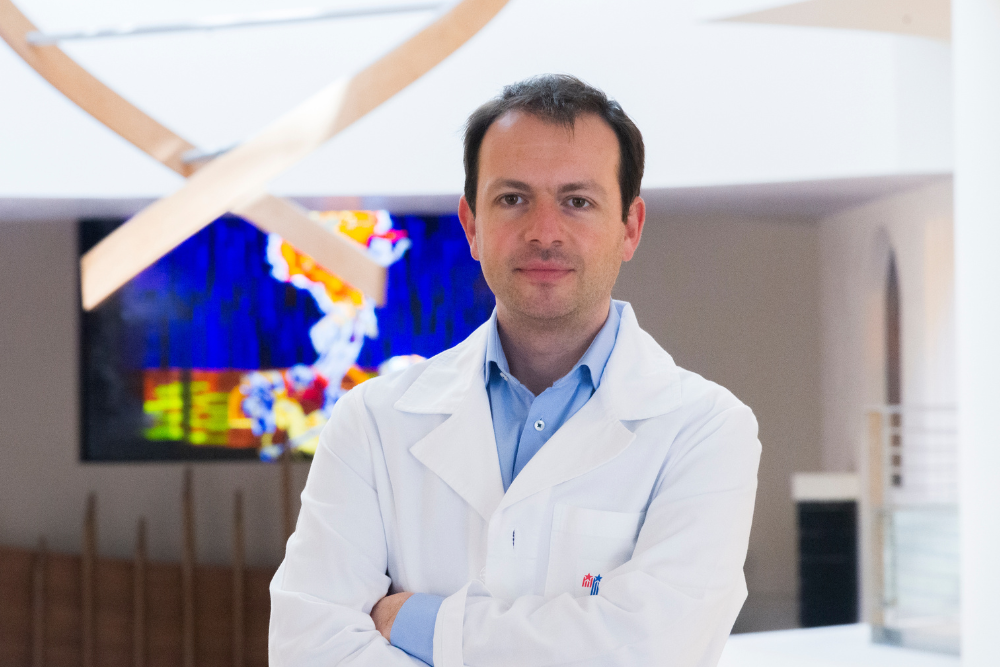
Doctor and researcher: the dual career of a Physician Scientist
What does a Physician Scientist do, and how do they combine clinical care and laboratory research? Daniele Canarutto describes his career at SR-Tiget.

03.08.26
Working at the intersection of Biology and Data Science at TIGEM
At TIGEM, biologists, bioinformaticians and statisticians combine data, computational models and laboratory research to advance rare disease science.

29.07.26
Epigenetic editing: a technology pioneered at SR-Tiget enters clinical trials for hepatitis B
SR-Tiget’s epigenetic editing technology can permanently silence genes without cutting DNA and has now entered clinical trials for hepatitis B.

27.07.26
ER-phagy: a new strategy to target cellular quality control
The TIGEM LEAD-ER project investigates whether ER-phagy can be pharmacologically activated to remove misfolded proteins involved in different diseases.

