How N-of-1 therapies and antisense oligonucleotides enable personalised treatments for ultra-rare genetic diseases, from mutation to clinical use.
For a long time, the development of new therapies has relied on an implicit assumption: large patient populations are needed to demonstrate safety and efficacy. In practice, this has excluded ultra-rare and nano-rare genetic diseases, where patients are extremely few, or even unique.
Today, this limitation is beginning to be overcome through the N-of-1 approach, which marks a fundamental shift in clinical research. Instead of developing treatments for large groups of patients, this model focuses on designing and evaluating a therapy for a single individual, tailoring the intervention to the specific genetic mutation responsible for the disease. The goal is no longer to treat many patients with the same drug, but to create personalised interventions that precisely address the underlying cause of a condition.
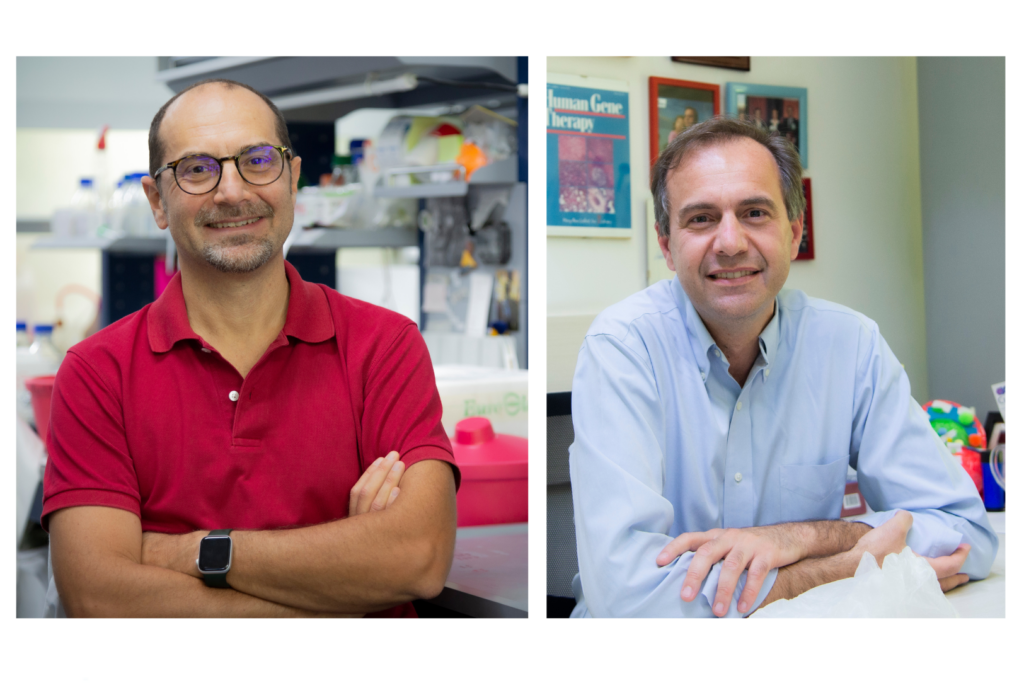
The approval of these therapies cannot rely on traditional randomised clinical trials, which require large cohorts to achieve statistical significance. As Nicola Brunetti-Pierri, Coordinator of the Molecular Therapy Programme at TIGEM and an expert in inherited metabolic diseases, explains: “Unlike conventional trials, in the N-of-1 approach each patient is compared with themselves before treatment”.
This emerging paradigm has recently gained institutional recognition from the FDA (Food and Drug Administration), marking an important step towards the regulatory acceptance of personalised therapies. The agency has issued draft guidance outlining the criteria and evidence required to support the development and potential approval of individualised treatments, through the so-called Plausible Mechanism Framework.
As Brunetti-Pierri notes, “the overall standards for clinical trials have not changed. Rather, this is an adaptation of the regulatory framework designed for ultra-rare diseases affecting very small numbers of patients worldwide, who would otherwise be excluded from traditional clinical trials”.
According to the FDA, key requirements include: a demonstrated mechanism of action; data on the natural history of the disease in the absence of treatment; evidence that the genetic or molecular target has been effectively modified or corrected; and clinical signals or biomarkers indicative of benefit. The agency also explicitly recognises RNA-based therapies - such as antisense oligonucleotides (ASOs) - as a cornerstone of this new framework.
N-of-1 and the importance of identifying both mutation and patient
The first step is to identify the genetic basis of the patient’s disease - or of the very small number of affected individuals - and to fully understand the functional consequences of the mutation, the underlying pathogenic mechanisms, and their clinical impact. This is the role of the Telethon Undiagnosed Diseases Program, which aims to uncover the genetic causes of diseases in patients who remain without a diagnosis. In many cases, these are ultra-rare conditions caused by mutations that may be unique or found in only a handful of individuals worldwide.
“For many of these patients, there is no available therapy and no ongoing research to develop one. In such cases, the possibility of an antisense oligonucleotide-based approach is considered, enabling a personalised treatment to be developed for that individual patient” explains Diego di Bernardo, Coordinator of the N-of-1 Programme, Coordinator of the Genomic Medicine Programme at TIGEM, and Deputy Director of the institute.
Within this programme, an initial selection is carried out using computational tools and bioinformatics methods to identify mutations that may be amenable to antisense oligonucleotide (ASO) technology. If the prediction is positive, it is then validated experimentally using the patient’s own cells to assess whether the therapy is effective.
Subsequently, based on a comprehensive evaluation of the available knowledge on the genetic defect and the clinical manifestations of the disease, the most suitable candidates are identified for further development.
“Two key criteria are disease severity, age of onset, and the likelihood that treatment can modify the natural history of the disease” comments Nicola Brunetti-Pierri. The availability of measurable clinical endpoints is another critical factor. For example, patients with severe epilepsy who have not responded to existing treatments may be considered suitable candidates. “In these cases, it is possible to assess whether ASO treatment can reduce the frequency or severity of seizures” he explains.
The overall risk–benefit profile is then carefully evaluated. In neurological diseases, to ensure delivery to brain cells, ASOs are administered via intrathecal injection, an invasive procedure that must be repeated over time and carries inherent risks. At the molecular level, ASOs may also bind to unintended sequences (“off-target” effects), with outcomes that are difficult to predict.
In assessing the risk–benefit balance, factors such as the availability of alternative treatments and the severity of the disease are carefully weighed to determine whether an experimental approach is justified. In this context, N-of-1 is often not a choice among options, but the only viable therapeutic opportunity.
In summary, given the still uncertain risks associated with experimental treatments and the need for often invasive delivery methods, the disease must be sufficiently severe to justify intervention. “The use of an experimental drug is more justified in patients with a clinical condition that is very difficult to control and for whom available treatments are either absent or have failed” concludes Brunetti-Pierri.
Antisense oligonucleotides (ASOs): mechanisms and therapeutic applications
Antisense oligonucleotide (ASO) technology is based on short, chemically modified nucleic acid sequences that bind to precursor messenger RNA (pre-mRNA) within the cell nucleus. Depending on the specific design, they can correct splicing defects, promote the degradation of mutant mRNA that would otherwise produce toxic proteins, or enhance the expression of the non-mutated allele. In essence, the goal is to design a complementary sequence capable of correcting, silencing, or modulating gene expression.
For ultra-rare and nano-rare diseases, conventional gene therapy is often not a viable option. Developing distinct gene therapy vectors for a large number of rare conditions would be both time-consuming and prohibitively expensive. “ASOs are faster and less costly to produce: less than a year can pass from identifying the mutation to initiating treatment. At present, they represent the most feasible solution for personalised medicine” explains di Bernardo.
This flexibility makes ASOs one of the few technologies currently capable of enabling truly personalised therapies within clinically relevant timeframes and at sustainable costs. In many cases, their use is not just advantageous but necessary, as some genes are too large to be delivered using conventional gene therapy vectors.
Challenges, risks and benefits of N-of-1 ASO therapies
The N-of-1 approach operates in a context where expectations must be clearly defined. These are not curative treatments: the aim is to achieve improvements in specific clinical parameters or to slow disease progression. In many cases, by the time a diagnosis is made, some degree of irreversible damage has already occurred, and even the most advanced interventions cannot reverse it, but only prevent further deterioration.
In this context, antisense oligonucleotides can offer tangible - sometimes significant - benefits in terms of patient quality of life, even without the prospect of a complete cure. The real breakthrough lies in the fact that, without approaches such as N-of-1, these patients would have no therapeutic options at all.
ASO technology is already used in approved medicines, which provides a degree of confidence in its safety profile. Another advantage compared to other approaches, such as gene therapy, is that ASOs are progressively degraded in the body. This means that, in the event of adverse effects, treatment can be discontinued, thereby limiting potential risks. In addition, development timelines and costs are more favourable than those associated with gene therapy, making the N-of-1 approach not only scientifically plausible, but also practically implementable in clinical settings.
From a regulatory perspective, two complementary pathways are emerging. On the one hand, platform trials aim to standardise the development of personalised therapies. “Since the underlying chemical structure remains the same and only the sequence changes, it is conceivable that regulatory evaluation could apply to the platform as a whole, rather than to each individual sequence” notes di Bernardo. On the other hand, the patient-centred N-of-1 approach represents a critical opportunity, as it removes the constraint of patient numbers and offers a realistic prospect of treatment for diseases that would otherwise remain outside any therapeutic development pathway.
